
Asphalt Paving Explained: From Base Layer to Finish
Ever driven on a smooth, freshly paved road and wondered what goes into making it feel that perfect? It’s not just about pouring asphalt and calling it a day. There’s a precise process behind it, one that determines how long that surface will last.
In this guide, you’ll learn exactly how asphalt paving works, from the ground up. By the end, you’ll understand why each layer matters and how proper installation saves you time, money, and future headaches.
Step 1: Preparing the Ground (The Foundation Matters Most)
Before any asphalt touches the surface, the groundwork must be solid, literally. This stage sets the tone for everything that follows.
Contractors start by clearing debris, vegetation, and any unstable soil. Then, the area is graded to ensure proper drainage. Without this step, water can pool underneath and weaken the structure over time.
Key tasks during preparation include:
Excavation to remove weak soil
Grading for proper slope and drainage
Compacting the subgrade for stability
This is where many DIY or low-budget jobs fail. If the base isn’t strong, even the best asphalt paving services Albemarle NC providers can’t prevent early cracking or sinking.
Step 2: Installing the Base Layer
Once the ground is ready, the next step is adding a crushed stone base. Think of this as the backbone of the pavement.
This layer provides:
Load support for vehicles
Drainage to prevent water buildup
A stable surface for asphalt application
The base material is spread evenly and compacted using heavy machinery. Proper compaction is critical, any air pockets can lead to weak spots later.
A reliable local paving expert knows that skipping or rushing this step is a recipe for disaster. It’s not visible once the job is done, but it’s doing most of the heavy lifting underneath.
Step 3: Binder Layer Application
After the base is set, the binder layer comes next. This is a mix of asphalt and larger aggregate stones, creating a strong intermediate layer.
Why is this important?
Because it adds:
Structural strength
Durability under heavy loads
Resistance to cracking
This layer acts as a bridge between the base and the top surface. It’s especially important in high-traffic areas like roads paving projects, where constant pressure can quickly wear down weaker surfaces.
Step 4: The Surface Layer (The Finish You See)
Now comes the part everyone notices: the top layer.
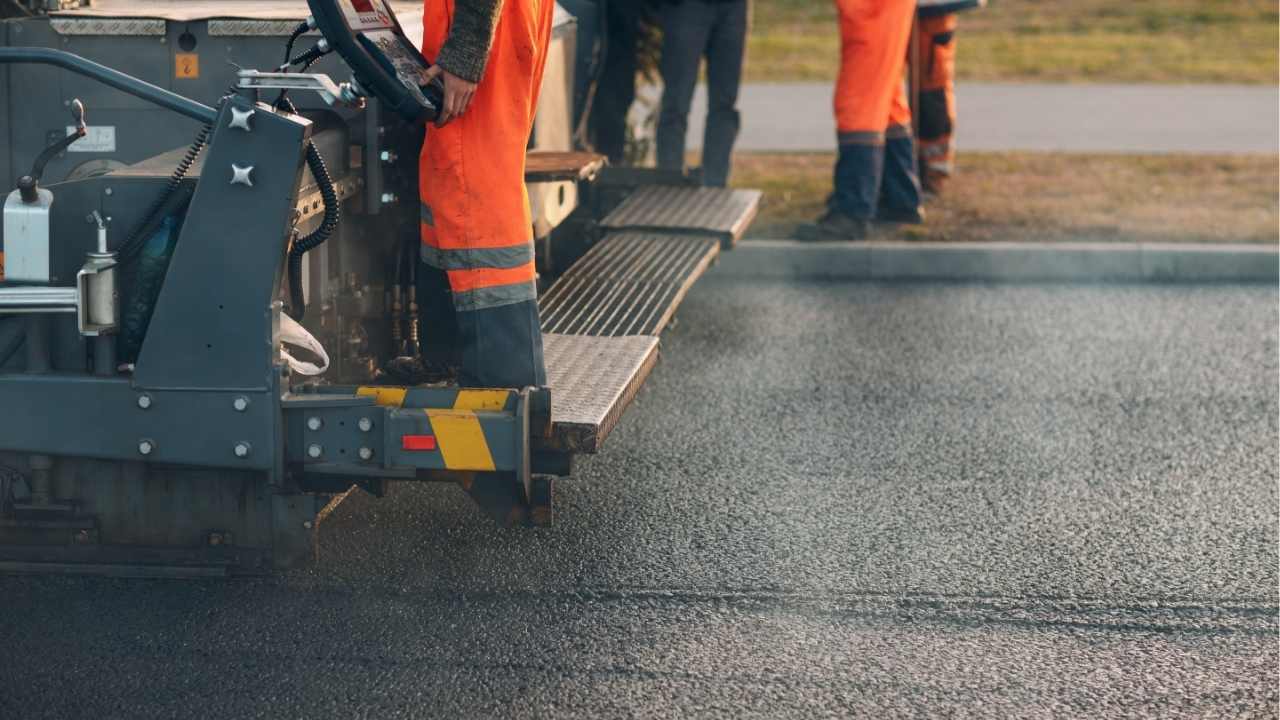
This final layer is made of finer asphalt mix, designed to create a smooth, polished finish. It’s carefully spread and compacted to ensure an even surface.
What makes a good finish?
Smoothness for better driving comfort
Proper compaction to prevent water penetration
Clean edges and seamless transitions
This is where precision matters most. Even small inconsistencies can lead to water seepage, which eventually causes cracks and potholes.
Case Study: A Driveway Done Right
A homeowner in Albemarle decided to replace their old, cracked driveway after years of patchwork repairs. Instead of choosing the cheapest option, they hired a professional crew that followed every step, especially proper base preparation.
Within weeks, the difference was obvious. The new driveway not only looked better but handled heavy vehicles without shifting or cracking. Two years later, it still performs like new, while neighboring driveways already show signs of wear. The upfront investment paid off by eliminating constant repair costs and improving long-term durability.
Why Each Layer Matters More Than You Think
It’s tempting to focus only on the finished look, but asphalt paving is a system—not a single step.
Each layer plays a role:
The subgrade prevents shifting
The base supports weight
The binder adds strength
The surface protects everything underneath
Skip or rush any one of these, and the entire structure suffers.
Final Thoughts: Build It Right the First Time
Asphalt paving isn’t complicated, but it is precise. When every step is done correctly, you get a surface that lasts for years with minimal maintenance.
If you’re planning a project, don’t just look at the price. Look at the process. Make sure every layer is handled properly, because that’s what separates a quick fix from a long-term solution.
Ready to upgrade your pavement? Get in touch with professionals who follow the full process, not shortcuts, and get results that actually last.