Best Types of Gravel for Residential Driveways
A gravel driveway can look simple from the street, but the material you choose makes a big difference. Pick the wrong gravel, and you may deal with ruts, loose stones, weeds, and constant maintenance. Pick the right one, and your driveway can stay attractive, affordable, and practical for years.
In this guide, you’ll learn the best types of gravel for residential driveways, what each option is good for, and how to choose the right material for your home.
Why Gravel Choice Matters
Not all gravel performs the same way. Some types lock tightly together and create a firm driving surface. Others look beautiful but shift too much under tires. Homeowners comparing gravel with asphalt paving services Albemarle NC should understand that gravel is usually more affordable upfront, but it needs the right base and occasional upkeep.
The best gravel driveways in Albemarle are built in layers, not just spread over bare dirt. A strong driveway usually includes a compacted sub-base, a middle layer for drainage, and a top layer that gives the surface its finished look. This layered approach helps prevent sinking, puddling, and washouts after heavy rain.
Crusher Run: Best for Strength and Stability
Crusher run is one of the most practical choices for driveway paving because it contains a mix of crushed stone and stone dust. The smaller particles fill the gaps between larger stones, helping the surface compact tightly.
This makes crusher run a strong option for homeowners who want a firm, functional driveway without a high-end price tag. It works especially well for long driveways, rural properties, and areas that need good weight support.
Key benefits include:
Excellent compaction
Strong load-bearing ability
Good value for larger driveways
Less shifting than loose decorative gravel
The downside is appearance. Crusher run is more practical than fancy. It gives a clean, workhorse look, but it may not offer the polished curb appeal some homeowners want.
Pea Gravel: Best for Appearance, Not Heavy Traffic
Pea gravel is smooth, rounded, and attractive. It often comes in soft shades of tan, brown, gray, and cream, making it popular for walkways, garden paths, and decorative driveway borders.
However, pea gravel is not always the best main surface for driveways. Because the stones are rounded, they do not lock together well. Tires can push them around, and the surface may feel loose underfoot.
Pea gravel works best when:
The driveway has strong edging
Traffic is light
Appearance matters more than firmness
It is used as a decorative top layer or accent area
If you love the look, use it carefully. Without proper borders, pea gravel can spread into lawns, flower beds, and sidewalks.
Crushed Stone: Best All-Around Driveway Gravel
Crushed stone is one of the most popular gravel choices for residential driveways because it balances durability, drainage, and appearance. Unlike pea gravel, crushed stone has sharp edges that help the pieces interlock. This gives the driveway a firmer surface.
Common sizes include #57 stone, #67 stone, and smaller top-dressing gravel. Larger stones are often used for base layers, while smaller stones are better for the surface.
Crushed stone is a smart choice if you want:
Better traction
Good drainage
A cleaner finished look
Less movement than rounded gravel
It also works well in areas with regular rain because water can pass through the stone instead of pooling on the surface.
Jersey Shore Gravel and Marble Chips: Best for Curb Appeal
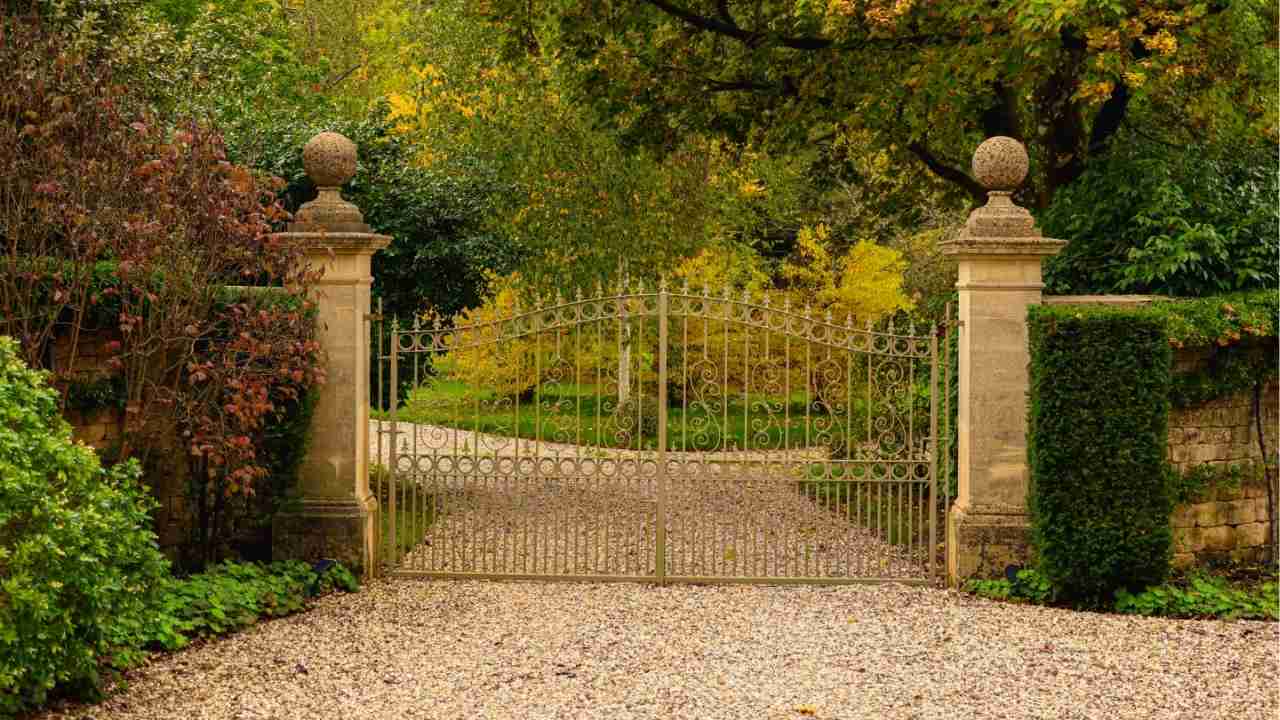
For homeowners who care most about appearance, decorative gravel can add charm and personality. Jersey Shore gravel has warm golden tones, while marble chips offer a bright, clean look.
These options can make a driveway stand out, but they are usually more expensive than standard crushed stone. Marble chips can also show dirt more easily, and lighter stones may create glare in sunny areas.
Use decorative gravel when the driveway is highly visible from the street or when you want the entrance to feel more finished. For best results, pair it with a strong base layer underneath.
Short Case Study: A Better Driveway With the Right Layers
A homeowner with a long, sloped driveway kept adding cheap loose gravel every year after storms washed it away. The surface looked uneven, and tires created deep tracks near the entrance. Instead of adding more of the same material, the contractor rebuilt the driveway with a compacted base, a middle layer of larger crushed stone, and a top layer of smaller angular gravel. The result was firmer, cleaner, and easier to maintain. The homeowner still needed occasional grading, but the driveway no longer washed out after every heavy rain.
How to Choose the Right Gravel
The best gravel depends on your budget, property layout, and how much traffic your driveway gets. For strength, choose crusher run or crushed stone. For looks, consider decorative gravel. For drainage, avoid materials that compact too tightly at the surface unless the driveway is properly graded.
Before ordering gravel, think about:
Driveway slope
Drainage needs
Vehicle weight
Maintenance expectations
Desired appearance
Local soil conditions
A beautiful driveway is not just about the top layer. The base matters just as much.
Final Thoughts
The best gravel driveway starts with the right material and a solid installation plan. Crusher run offers strength, crushed stone gives the best all-around performance, pea gravel adds charm in low-traffic areas, and decorative stone improves curb appeal.
If your driveway is sinking, washing out, or constantly spreading, it may be time to rethink the material and structure. Talk with a local driveway professional before your next gravel delivery so you can build a surface that looks good and holds up.
Ready to improve your driveway? Start by choosing the gravel type that matches your home, budget, and long-term maintenance goals.