
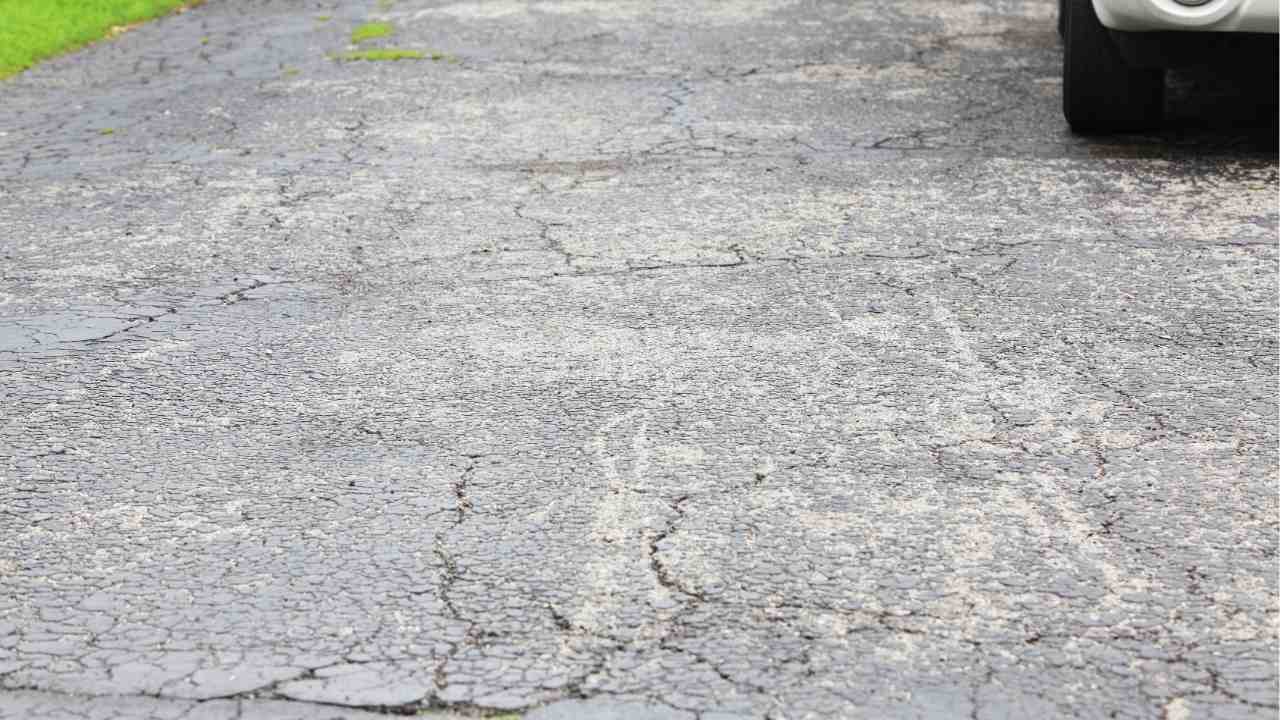
Common Asphalt Problems Homeowners Face in Albemarle
Cracks, potholes, fading, if your driveway is starting to look rough, you’re not alone. Asphalt surfaces in Albemarle take a beating year-round, and small issues can quickly turn into expensive repairs if ignored. The good news? Most of these problems are predictable and preventable.
In this guide, you’ll learn the most common asphalt issues homeowners face, what causes them, and how to stay ahead of costly damage. Whether you’re maintaining an older surface or protecting a new one, this will help you make smarter decisions.
Cracking: The First Warning Sign
Cracks are often the earliest and most visible problem with any asphalt driveway. In Albemarle, fluctuating temperatures and moisture levels cause the pavement to expand and contract, leading to surface stress.
There are several types of cracks to watch for:
Hairline cracks – small but can widen over time
Alligator cracking – interconnected cracks that resemble reptile skin
Edge cracks – found along the sides due to poor support
Ignoring cracks allows water to seep in, weakening the foundation. Over time, this leads to bigger structural problems that require more than just simple repairs. An asphalt paving contractor Albemarle NC homeowners trust can assess whether sealing or resurfacing is the right move.
Potholes: Small Damage, Big Impact
Potholes don’t appear overnight. They’re usually the result of untreated cracks combined with water infiltration and repeated traffic pressure.
Here’s how they form:
Water enters through cracks
The base layer weakens and shifts
The surface collapses under weight
Once potholes develop, they can quickly grow larger and more dangerous, not just for vehicles, but also for pedestrians. Fixing them early is key, as delays often mean more extensive repairs or even full replacement.
Drainage Problems That Ruin Your Surface
Poor drainage is one of the biggest enemies of asphalt. When water doesn’t flow away properly, it pools on the surface or seeps into the base.
Common signs of drainage issues include:
Standing water after rain
Soft or spongy spots
Erosion along edges
If your asphalt driveway constantly holds water, it’s a sign the slope or grading may be off. Over time, this leads to cracks, potholes, and premature wear. Proper installation and periodic inspection can prevent these issues from escalating.
Fading and Oxidation from Sun Exposure
That deep black finish doesn’t last forever. Over time, exposure to UV rays and oxygen causes asphalt to fade to a dull gray.
While fading might seem like just a cosmetic issue, it actually signals deeper problems:
The surface becomes brittle
Flexibility decreases
Cracking becomes more likely
Sealcoating is one of the most effective ways to slow this process. Many paving companies recommend sealing every few years to protect against oxidation and extend the lifespan of your pavement.
Poor Installation and Subpar Materials
Not all asphalt problems come from wear and tear, some start from day one. Poor installation practices or low-quality materials can lead to early failure.
Watch out for:
Uneven surfaces
Rapid cracking within the first year
Drainage issues right after installation
Choosing experienced professionals matters. Reputable paving companies focus on proper base preparation, correct asphalt thickness, and high-quality materials to ensure long-term durability.
Case Study: A Costly Delay Turned Major Repair
A homeowner in Albemarle noticed small cracks forming in their driveway but chose to delay repairs for over a year. After several rainy seasons, water seeped into the base, causing multiple potholes and uneven sections.
What could have been a simple crack sealing job turned into a full resurfacing project. The repair cost nearly four times more than early maintenance would have. After hiring a professional team to redo the surface and improve drainage, the homeowner now follows a regular maintenance schedule, saving money in the long run.
Stay Ahead of Asphalt Problems
Asphalt issues rarely fix themselves. They start small, then quietly grow into bigger, more expensive headaches. The key is staying proactive, inspect your surface regularly, address minor damage early, and invest in routine maintenance.
If you’re noticing signs of wear, now is the time to act. Reach out to a trusted local expert and protect your driveway before small problems turn into major repairs.