Gravel Driveway vs. Asphalt Driveway: Which Costs Less Over Time?
A driveway seems simple until it starts costing you money year after year. Gravel and asphalt are both popular choices, but the cheaper option upfront is not always the cheaper option long term.
In this guide, we’ll break down how gravel and asphalt compare in installation cost, maintenance, durability, curb appeal, and long-term value so homeowners can make a smarter investment.
Upfront Cost: Gravel Usually Wins
If your main concern is the lowest initial price, gravel often comes out ahead. It usually costs less to install because the material is cheaper and the process is simpler. For long rural driveways or large properties, that price difference can be significant.
That said, the final cost depends on several factors:
Driveway size and length
Soil condition and drainage needs
Amount of grading required
Material quality
Labor and equipment access
Homeowners comparing affordable asphalt paving Albemarle NC with Albemarle NC gravel driveway services should look beyond the first estimate and ask what the driveway may cost five, ten, or fifteen years from now. A reliable paving services provider can help explain the difference between short-term savings and long-term value.
Gravel is budget-friendly at the start, but it needs regular attention. Asphalt costs more upfront, but it often delivers a cleaner, smoother, and more durable surface.
Maintenance: Gravel Needs More Frequent Care
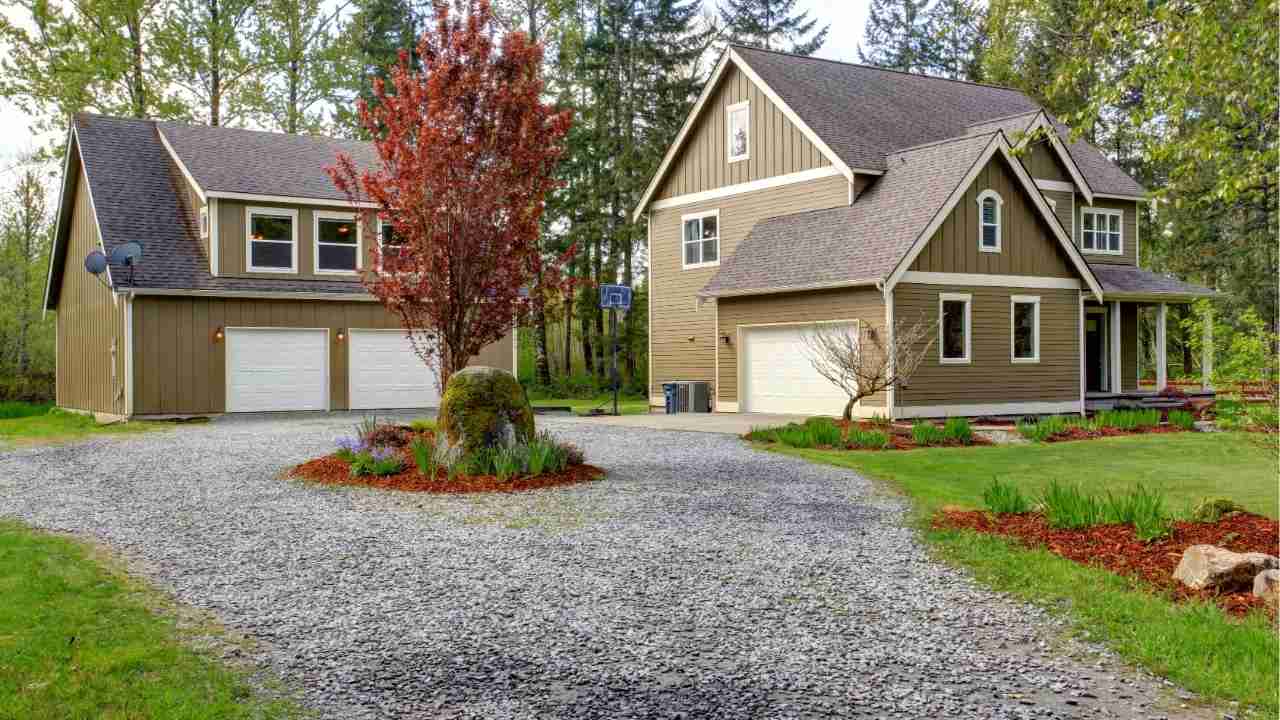
Gravel driveways are not “install it and forget it” surfaces. Over time, gravel shifts, spreads, washes away, and develops ruts. Heavy rain can move the material, tires can create low spots, and weeds may grow through thinner areas.
Common gravel maintenance includes:
Adding new gravel every few years
Filling potholes and ruts
Regrading uneven areas
Controlling weeds
Repairing washouts after storms
Asphalt also needs maintenance, but it is usually less frequent. Sealcoating every few years helps protect the surface from water, sunlight, and small cracks. Cracks should be filled early before they grow into larger problems.
Here’s the blunt truth: gravel is cheaper to fix, but you may fix it more often. Asphalt maintenance costs more when needed, but a well-installed asphalt driveway can stay attractive and functional for many years with basic care.
Durability and Everyday Use
Gravel performs well in some settings, especially rural properties, farms, and long driveways where a polished look is not the priority. It drains naturally and can be repaired in sections without major equipment.
But gravel has drawbacks. It can be messy. Stones can scatter into the lawn or street. Snow removal can be harder because plows may scrape up the surface. It may also feel less stable for bikes, strollers, wheelchairs, or guests wearing dress shoes.
Asphalt offers a smoother, more finished surface. It is better for daily driving, parking, basketball hoops, garage access, and overall convenience. It also creates a cleaner entrance to the home.
The tradeoff is that asphalt depends heavily on proper installation. Poor base preparation can lead to cracks, sinking, and drainage issues. That is why choosing the lowest bid without checking experience can backfire fast.
Long-Term Cost and Property Value
Over time, gravel may remain the lower-cost choice for very long driveways, especially when appearance is not a major concern. However, for standard residential driveways, asphalt can offer better long-term value because it improves usability, curb appeal, and resale impression.
Buyers often see asphalt as more finished and easier to maintain. A clean asphalt driveway can make a property look more cared for before anyone even walks inside.
Short Case Study
A homeowner with a long gravel driveway liked the low installation cost at first. But after several years of washouts, potholes, and repeated gravel deliveries, the maintenance became frustrating. They eventually paved the main parking and garage approach with asphalt while keeping the longer back section gravel. This hybrid solution reduced dust, improved curb appeal, and lowered the amount of yearly grading needed. The result was not the cheapest option upfront, but it became the more practical choice over time.
Which Driveway Costs Less Over Time?
Gravel usually costs less at installation. Asphalt often costs more upfront but may save money in reduced maintenance, better performance, and stronger curb appeal.
Choose gravel if you need a low-cost solution for a long driveway and do not mind regular upkeep. Choose asphalt if you want a smoother, cleaner, longer-lasting surface that feels more finished.
Before deciding, compare total ownership costs, not just the first invoice. Talk with a trusted local contractor, review your drainage needs, and choose the driveway that fits your property, budget, and long-term plans.
Ready to improve your driveway? Contact a local paving professional today and request a clear estimate for both gravel and asphalt options.