
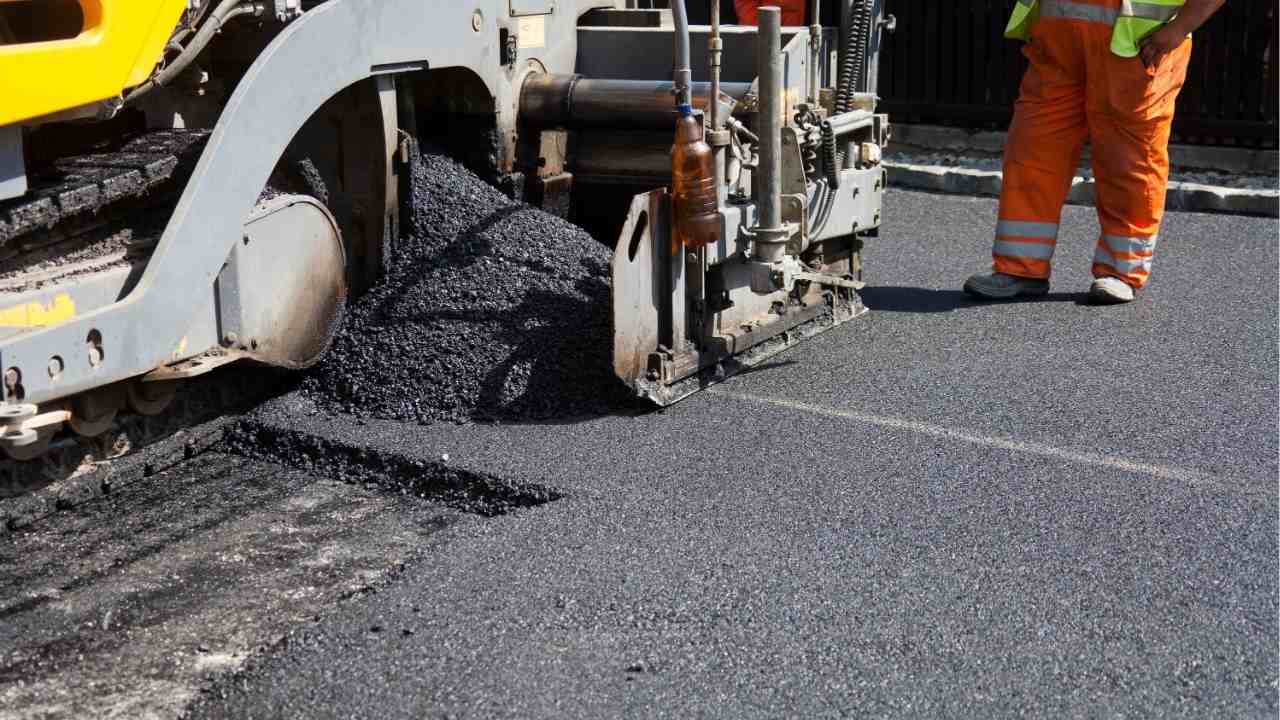
Private Road Paving in Albemarle: What Landowners Should Know
A private road may look simple, but building one that stays smooth, drains properly, and handles daily traffic takes careful planning. Cutting corners during construction often leads to potholes, standing water, crumbling edges, and expensive repairs much sooner than expected.
Landowners searching for “affordable asphalt paving Albemarle NC” should look beyond the lowest estimate and consider the full life of the road. Reliable roads paving services begin with site evaluation, drainage planning, and proper base preparation. Working with a qualified paving professional can help prevent structural problems that may remain hidden until the first season of heavy rain or freezing temperatures.
Whether the road serves one home, several properties, farmland, rental units, or a commercial site, the same basic principles apply. The surface must be built for the soil, slope, traffic level, and surrounding landscape. This guide explains what to consider before paving, how the process works, what affects pricing, and how to protect your investment.
Start With the Road’s Purpose and Daily Traffic
Before choosing asphalt thickness, road width, or drainage features, define how the road will be used. A short residential driveway leading to one home has different requirements than a shared road serving several houses or a route used by farm equipment and delivery trucks.
Think about the vehicles that will travel over the pavement now and in the future. Passenger cars place relatively light stress on asphalt, while garbage trucks, construction vehicles, trailers, tractors, and emergency vehicles create much heavier loads.
Landowners should consider:
How many properties the road will serve
The expected number of vehicles each day
Whether heavy trucks will use the road
The steepness and length of the route
Areas where vehicles will turn, stop, or park
Access requirements for fire trucks and ambulances
Possible future construction or property development
Road width also matters. A narrow single-lane road may work for one home, but it can become inconvenient or unsafe when two vehicles meet. Wider roads, pull-off areas, and properly designed turnarounds can make access easier without paving more land than necessary.
Planning for future use is usually more affordable than widening or rebuilding the road later.
Proper Base Preparation Determines Road Life
The visible asphalt is only one part of a durable private road. What lies underneath often determines whether the pavement lasts for years or begins cracking after a few seasons.
The paving crew typically removes vegetation, loose soil, roots, and unstable material from the roadbed. The ground is then graded to create the correct elevation and slope. A layer of crushed aggregate is installed and compacted to form a strong, stable base.
A well-prepared base should:
Support the weight of regular traffic
Distribute vehicle loads evenly
Reduce settling and low spots
Allow water to move away from the pavement
Limit movement during wet or cold conditions
Compaction is especially important. Loose stone can shift under traffic, causing the asphalt above it to sink or crack. Professional crews use heavy rollers and compaction equipment to create a firm foundation before the asphalt is installed.
Soft soil, clay, previous drainage problems, or heavily wooded areas may require additional excavation or stabilization. Although this can increase the initial cost, correcting weak ground before paving is far less expensive than repairing a failed road later.
Drainage Is Not an Optional Feature
Water is one of the biggest threats to a private asphalt road. When water collects along the surface, runs beneath the pavement, or saturates the base, it weakens the entire structure.
The road should be graded so rainwater flows away instead of remaining in the travel path. Depending on the property, the design may include crowned pavement, side ditches, swales, culverts, catch basins, or reinforced drainage outlets.
Common drainage mistakes include:
Paving a flat surface with no runoff path
Allowing roof or yard drainage to flow toward the road
Installing undersized culverts
Blocking natural drainage channels
Leaving road shoulders lower than surrounding soil
Failing to protect steep slopes from erosion
Drainage should be planned before asphalt is placed. Trying to correct water problems after paving often requires cutting through the new surface, rebuilding shoulders, or installing additional pipes.
Landowners should also inspect drainage areas regularly. Leaves, soil, branches, and sediment can block ditches and culverts, forcing water back toward the road.
What Affects the Cost of Private Road Paving?
Private road paving costs vary because every property presents different conditions. A short, level road with a solid gravel base is usually more straightforward than a long road crossing soft soil, steep slopes, or drainage channels.
The main pricing factors include:
Total road length and width
Existing surface condition
Excavation and grading needs
Type and depth of base material
Asphalt thickness
Drainage installation
Equipment access
Distance from the asphalt plant
Turnarounds, parking areas, and intersections
Removal of trees, roots, or old pavement
Longer roads may have a lower cost per square foot because equipment mobilization is spread across a larger project. However, the total investment will still be higher.
Be cautious with estimates that leave out base preparation, drainage work, or asphalt thickness. Two quotes may appear similar while covering very different scopes of work. Ask each contractor to provide a written breakdown so you can compare materials and construction methods, not just the final price.
Choosing the Right Asphalt Thickness
There is no single asphalt thickness that works for every private road. The correct design depends on traffic weight, soil stability, base strength, and expected use.
A lightly traveled residential road may need less asphalt than a shared access road used by delivery vehicles and service trucks. Roads that support heavy equipment may require a thicker aggregate base, multiple asphalt layers, or reinforced sections at turning and stopping points.
Thicker pavement alone will not correct a weak foundation. A properly compacted base with adequate drainage is often more important than adding asphalt over unstable soil.
Ask the contractor to explain:
The recommended base depth
The asphalt thickness after compaction
Whether one or multiple asphalt layers will be used
How road edges will be supported
How heavy-traffic sections will be reinforced
Clear specifications make it easier to compare proposals and reduce misunderstandings during construction.
Shared Private Roads Need Clear Agreements
When several landowners use the same road, maintenance responsibilities should be discussed before paving begins. Without a written agreement, disputes can arise over costs, repairs, snow removal, drainage maintenance, or damage caused by heavy vehicles.
A private road agreement may address:
Who can use the road
How paving costs are divided
How future repairs will be funded
Who approves major improvements
Weight limits for heavy vehicles
Maintenance of ditches and culverts
Responsibility for damage during construction
Rules for parking or blocking access
Landowners may wish to consult a local attorney before finalizing a shared-road agreement. A clear plan protects all parties and helps prevent one owner from carrying an unfair portion of the expense.
Case Study: Rebuilding a Failing Rural Access Road
A landowner near Albemarle had a long gravel road that developed deep ruts after every major rain. Previous repairs involved adding more stone, but the material quickly washed into the roadside ditch. During evaluation, the paving crew found that the road lacked proper cross-slope and had an undersized drainage pipe. The contractor reshaped the roadbed, replaced the culvert, installed a compacted aggregate base, and paved the surface with reinforced edges. Instead of repeatedly paying for gravel repairs, the owner received a stable, lower-maintenance road that provided dependable access for residents, deliveries, and service vehicles throughout the year.
Questions to Ask Before Hiring a Paving Contractor
A professional contractor should be willing to explain the proposed road design and answer detailed questions. Avoid choosing a company based only on a verbal price or promises of fast completion.
Ask potential contractors:
Have you paved private roads with similar terrain?
Will you inspect the soil and existing base?
How will drainage be handled?
What base material and depth will be installed?
What will the compacted asphalt thickness be?
Are grading and cleanup included?
How will the road edges be protected?
Is the workmanship covered by a warranty?
Can you provide proof of insurance?
Will the scope and price be provided in writing?
Pay attention to how thoroughly the contractor evaluates the site. A reliable proposal should reflect the actual property conditions rather than offering a generic paving package.
Maintaining a Newly Paved Private Road
Asphalt is durable, but it still needs routine care. Simple maintenance can slow deterioration and extend the life of the road.
Landowners should:
Keep ditches and culverts clear
Repair small cracks before they spread
Prevent standing water along the edges
Avoid parking heavy equipment in one place for long periods
Keep soil and vegetation from covering the pavement edge
Address fuel or oil spills quickly
Schedule sealcoating when recommended
Inspect the road after severe storms
Crack sealing is especially valuable because it prevents water from entering the base. Once moisture reaches the foundation, traffic pressure can turn a small surface crack into a pothole or sunken area.
Build the Road Correctly From the Ground Up
A successful private road project is not simply a matter of spreading asphalt over the existing surface. Long-term performance depends on realistic traffic planning, strong base construction, careful compaction, and effective drainage.
The lowest quote may save money at the beginning, but inadequate preparation can lead to repeated repairs and early replacement. A detailed site evaluation and written paving plan give landowners a clearer understanding of what they are paying for and how the road will perform.
Contact an experienced local paving contractor today to schedule a property assessment and receive a detailed estimate for a private road built around your land, traffic needs, and long-term plans.