
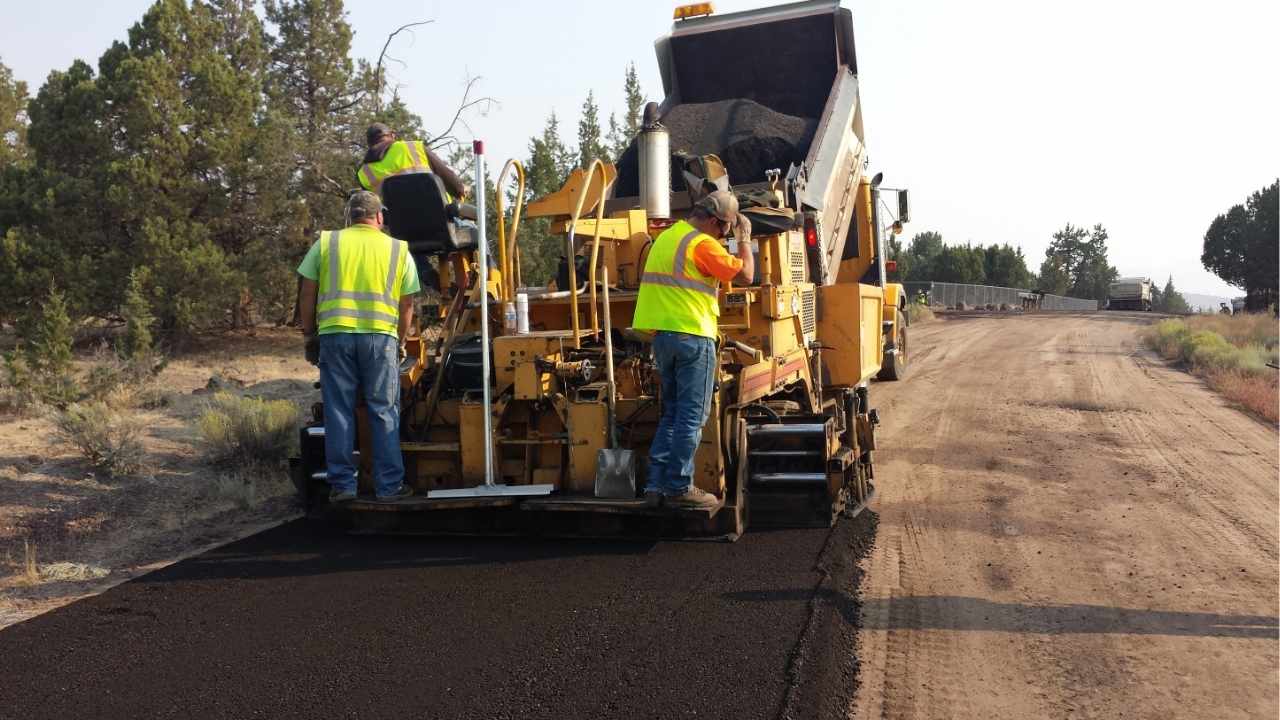
How Proper Base Preparation Affects Asphalt Lifespan
A smooth asphalt surface does not start with the asphalt itself. It starts underneath, where most property owners never look.
If the base is weak, rushed, or poorly compacted, even fresh pavement can crack, sink, or break apart years earlier than it should. In this guide, you’ll learn why base preparation matters, what a strong asphalt foundation includes, and how the right paving process helps protect your investment.
For homeowners, business owners, and property managers comparing asphalt paving services Albemarle NC, understanding the base layer can help you avoid costly repairs and choose the right contractor from the start.
Why the Base Matters More Than Most People Think
An asphalt driveway may look simple on the surface, but it works like a system. The top layer handles traffic, weather, and daily wear, while the base underneath spreads weight evenly and keeps the pavement stable.
When the base is properly built, asphalt can better handle:
Vehicle weight
Rain and runoff
Freeze-thaw movement
Soil shifting
Daily use over many years
When the base is poorly prepared, the asphalt above it has nowhere strong to rest. That is when problems begin. Cracks appear. Low spots form. Water collects. Edges crumble. Before long, the surface that looked new starts showing signs of failure.
A qualified paving professional knows that long-lasting pavement depends on what happens before the asphalt is ever installed.
What Proper Base Preparation Includes
Base preparation is not just scraping dirt flat and paving over it. It is a careful process that creates a strong, stable foundation.
First, the area must be graded correctly. Good grading helps water move away from the pavement instead of sitting on top or soaking underneath. Standing water is one of asphalt’s biggest enemies because it weakens the base and speeds up cracking.
Next, unsuitable soil, roots, soft spots, and debris should be removed. If weak material is left in place, it can shift after paving and create dips or cracks.
Then comes the aggregate base. This layer is usually made from crushed stone or gravel. It gives the asphalt strength and helps distribute weight across the surface. The depth of the base depends on the project, soil conditions, and expected traffic.
Finally, the base must be compacted. Compaction locks the material together and reduces air pockets. Without proper compaction, the surface may settle unevenly after cars, trucks, or equipment begin using it.
Each step matters. Skipping one may save time upfront, but it usually costs more later.
How Poor Base Work Shortens Asphalt Lifespan
Bad base preparation does not always show up immediately. That is what makes it risky. A new surface can look clean and finished for a short time, even if the foundation underneath is weak.
Over time, common problems start to appear:
Cracking from movement below the surface
Potholes caused by water and weak support
Uneven settling in soft areas
Raveling along edges and high-traffic spots
Drainage problems that keep getting worse
Once the base fails, simple surface repairs are often temporary. Filling cracks or patching potholes may improve appearance, but the same issues can return if the foundation is still unstable.
That is why a cheaper paving job is not always a better deal. If the contractor cuts corners on excavation, grading, base depth, or compaction, the pavement may need repairs much sooner than expected.
Short Case Study: The Driveway That Failed Early
A homeowner had a new driveway installed and was happy with how it looked on day one. Within two years, though, cracks began spreading near the parking area, and a shallow dip formed where the family’s SUV was usually parked. The asphalt itself was not the main problem. The base had not been compacted well, and soft soil had been left underneath one section. After inspection, the damaged area had to be cut out, the weak material removed, and a new compacted base installed before repaving. The lesson was clear: strong asphalt starts below the surface.
Signs Your Asphalt Base May Be Failing
If your pavement is already installed, you may still be able to spot warning signs of base trouble.
Look for:
Repeated cracking in the same area
Potholes that return after patching
Water pooling after rain
Sunken tire paths
Crumbling edges
Soft or spongy areas near the pavement
These signs often mean there is a problem below the asphalt, not just on top of it. The sooner you address the issue, the better chance you have of preventing larger repairs.
For new paving projects, ask the contractor how they handle grading, drainage, base material, and compaction. A trustworthy paving company should be able to explain the process clearly without brushing off your questions.
Proper Preparation Saves Money Over Time
Good base preparation may not be the flashiest part of an asphalt project, but it is one of the most important. It helps your pavement last longer, perform better, and resist common damage.
A well-built base can reduce the need for frequent patching, slow down cracking, improve drainage, and keep the surface looking cleaner for years. It also gives your asphalt the strength to handle daily traffic without failing too soon.
The smartest paving investment is not just about getting a smooth black surface. It is about making sure everything underneath is built to support it.
Before starting your next asphalt project, get in touch with a paving team that takes the foundation seriously, explains the process clearly, and prepares the base the right way from the ground up.