
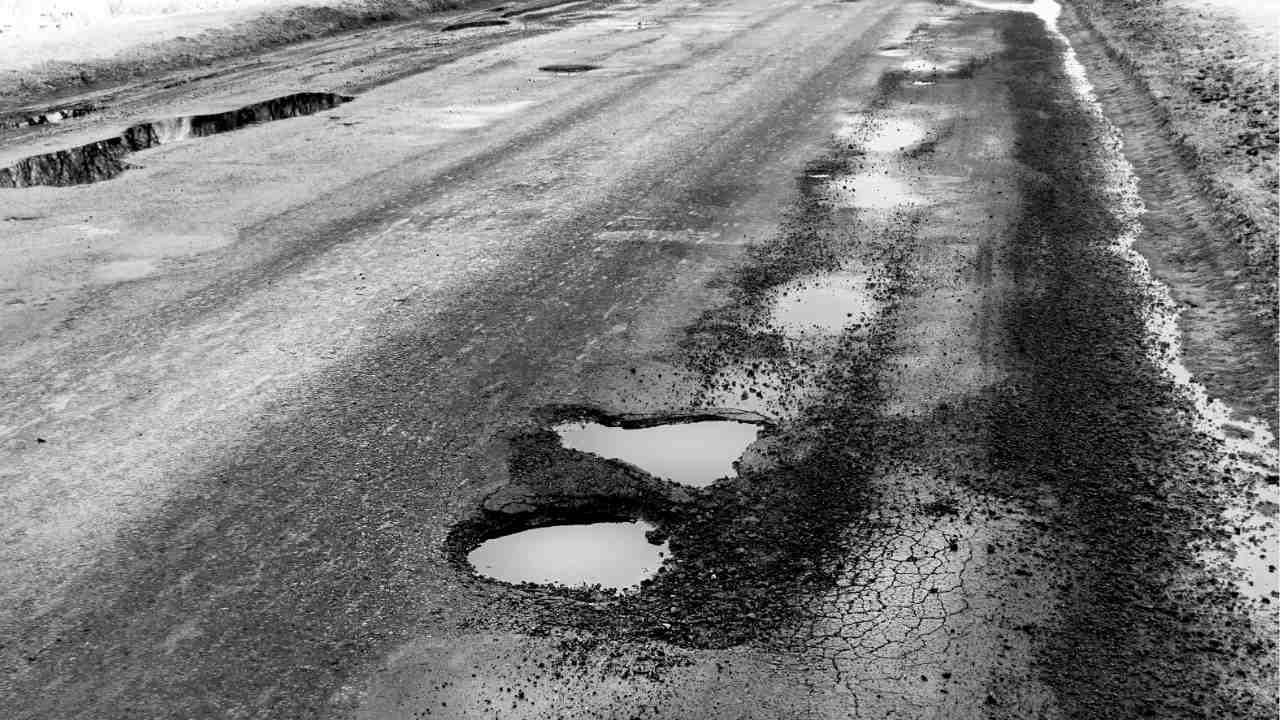
What Causes Potholes in Asphalt?
Potholes don’t just show up overnight, they’re the result of a slow breakdown that most drivers never notice until it’s too late. One day the road looks fine, and the next, you’re swerving to avoid a tire-damaging crater. Understanding what causes potholes can help you spot early warning signs and avoid costly damage.
In this guide, you’ll learn how potholes form, why they get worse over time, and what can be done to prevent them in the first place.
The Real Reason Potholes Form
At its core, a pothole is a failure of the asphalt surface. While asphalt is designed to be durable, it’s not invincible. Over time, exposure to weather and constant traffic weakens the material.
This is especially common in areas where roads paving is done without proper drainage or base support. Even high-quality asphalt can deteriorate if the foundation beneath it isn’t stable. Once the structure weakens, cracks begin to form and that’s where the trouble starts.
Water: The Hidden Enemy
Water is the number one cause of potholes. It seeps into small cracks in the asphalt, reaching the layers underneath. When temperatures drop, the water freezes and expands, forcing the asphalt apart.
As the ice melts, it leaves behind gaps beneath the surface. These empty spaces weaken the road, making it vulnerable to collapse under pressure.
This is why even well-maintained surfaces in regions like Albemarle can break down if not handled by professionals offering affordable asphalt paving Albemarle NC. Proper sealing and drainage systems are critical to keeping water out and preserving the pavement’s integrity.
Traffic Pressure and Daily Wear
Once water has weakened the base, traffic does the rest of the damage. Every passing car, truck, or heavy vehicle adds stress to the compromised surface.
Over time, the asphalt begins to flex and sink into the voids below. Eventually, the surface cracks further and collapses, creating a pothole.
High-traffic areas are especially vulnerable because:
Heavy loads accelerate structural failure
Constant movement prevents the surface from settling
Repeated stress widens existing cracks
Without regular maintenance, even a small crack can turn into a major problem in a matter of weeks.
Poor Installation and Materials
Not all asphalt jobs are created equal. If the pavement wasn’t installed correctly from the start, potholes can form much faster.
Common issues include:
Weak or uneven base layers
Low-quality asphalt mix
Improper compaction during installation
Hiring the best paving contractor ensures that every layer, from the base to the surface is built to last. Skipping corners during installation might save money upfront, but it almost always leads to higher repair costs later.
A Quick Case Study: How One Small Crack Became a Big Problem
A commercial parking lot in a busy retail area started with a minor crack near the entrance. At first, it seemed harmless, barely noticeable to drivers. However, after a few rainy weeks, water seeped into the crack and weakened the base.
Within a month, delivery trucks began driving over the same spot repeatedly. The added weight caused the asphalt to collapse, forming a pothole large enough to damage tires. The business had to close off part of the lot for emergency repairs, costing both time and revenue. A simple sealcoating job early on could have prevented the entire issue.
How to Prevent Potholes Before They Start
The good news? Potholes are preventable with the right approach.
Here’s what makes the biggest difference:
Regular inspections to catch early cracks
Sealcoating to protect against water intrusion
Proper drainage to prevent standing water
Timely repairs before damage spreads
Preventive maintenance is always cheaper and far less disruptive than full repairs or replacements.
Don’t Wait Until It’s Too Late
Potholes are more than just an inconvenience, they’re a sign your pavement is failing. The longer you ignore them, the worse (and more expensive) they become.
If you’re noticing cracks, pooling water, or early signs of surface damage, now is the time to act. Reach out to a trusted professional and take control of your pavement before small issues turn into major repairs.