
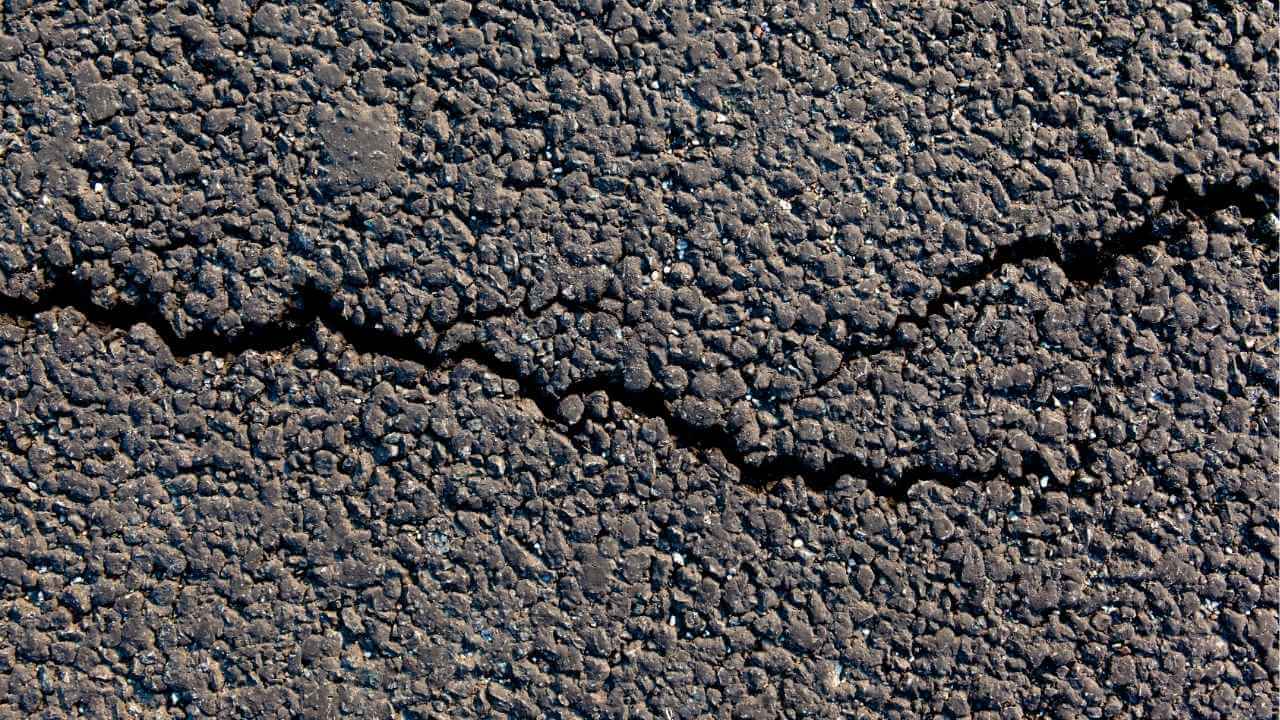
What Causes Asphalt to Crack So Early?
A new paved surface should look smooth, clean, and built to last. So when cracks begin showing up much sooner than expected, it can be frustrating and it often signals that something underneath the surface is not working as it should.
Homeowners who need an asphalt paving contractor Albemarle NC often assume early cracking is simply caused by age, but an asphalt driveway can fail prematurely for several different reasons. In many cases, hiring the best paving contractor from the beginning can help prevent costly problems related to poor preparation, drainage, materials, and installation.
Understanding why asphalt cracks early can help you catch problems before they spread. Below are the most common causes, what the cracks may be telling you, and when professional repair is the smarter move.
Poor Base Preparation Can Cause Early Failure
One of the biggest reasons asphalt cracks prematurely is poor preparation beneath the pavement.
Asphalt itself is only the visible top layer. Its performance depends heavily on the strength and stability of the base underneath it. If the soil or aggregate base is weak, uneven, too thin, or poorly compacted, the pavement can move under the weight of vehicles.
That movement creates stress in the asphalt surface.
Over time, cracks may form because the pavement is flexing more than it should.
Common base problems include:
Soft or unstable soil
Improper grading
Inadequate gravel depth
Poor compaction
Construction over wet ground
Uneven settling beneath the pavement
Once the base starts shifting, simply filling surface cracks may not completely solve the problem. The damaged area may continue cracking because the underlying cause is still present.
That is why proper site preparation is one of the most important stages of any paving project.
Water and Poor Drainage Are Major Asphalt Enemies
Water is one of the most damaging forces asphalt has to deal with.
A properly designed paved surface should encourage water to move away quickly. When water pools on the pavement or seeps through small cracks, it can weaken the material underneath.
As the base becomes saturated, it may soften or wash away in certain areas. The pavement above can then settle, shift, or collapse.
Watch for warning signs such as:
Standing water after rain
Cracks forming near low spots
Depressions in the pavement
Crumbling along driveway edges
Recurring cracks in the same area
Drainage problems can become even more serious when temperatures fluctuate. Water that enters cracks can expand and contract as conditions change, gradually widening existing damage.
Keeping gutters, drainage paths, and surrounding landscaping from directing water toward paved areas can make a major difference in pavement life.
Incorrect Asphalt Installation Can Lead to Cracking
Even high-quality paving materials can fail when they are installed incorrectly.
Asphalt needs to be placed under the right conditions and compacted properly. If the mixture cools too much before it is compacted, for example, it may not achieve the density needed for long-term strength.
Other installation problems can include:
Asphalt applied too thin
Uneven compaction
Poorly constructed joints
Incorrect surface slope
Low-quality asphalt mixture
Paving during unsuitable weather
These mistakes may not always be visible immediately.
A newly paved surface may look perfectly acceptable at first. Then, months later, thin cracks begin appearing. Those cracks can gradually expand into more serious structural problems.
This is why workmanship matters just as much as the material itself.
Heavy Loads Can Damage Residential Pavement
Residential pavement is designed to handle normal passenger vehicles, but repeated heavy loads can place much more pressure on the surface.
Large trucks, construction equipment, dumpsters, RVs, and heavy trailers can all create stress, especially if the pavement was not designed for that weight.
Damage may appear as:
Deep depressions
Wheel-path cracking
Broken edges
Sunken areas
Spiderweb-style cracking
A single heavy vehicle may not destroy properly installed pavement, but repeated loading can weaken it over time.
If you expect heavy vehicles to use a paved area regularly, the base thickness and pavement design may need to be adjusted before installation.
Sun, Heat, and Oxidation Slowly Weaken Asphalt
Asphalt is exposed to sunlight every day, and ultraviolet rays gradually affect the oils that help keep the pavement flexible.
As the asphalt oxidizes, the surface becomes harder and more brittle.
Instead of flexing naturally with small changes in temperature and vehicle movement, older or weathered pavement becomes more likely to crack.
You may notice the pavement changing from a deep black color to a faded gray.
That color change is normal over time, but excessive drying can make cracking more likely.
Preventive maintenance may help slow deterioration. Depending on the condition of the surface, maintenance may include crack sealing, surface repairs, drainage corrections, or protective treatments.
The key is taking action before small cracks become larger structural failures.
Small Cracks Can Turn Into Bigger Problems
A small crack may not look serious, but it creates an opening where water, dirt, weeds, and debris can enter the pavement.
Once water reaches the base, the deterioration process can accelerate.
A narrow crack can eventually grow into:
Wider structural cracks
Potholes
Broken pavement edges
Settled areas
Large sections of failed asphalt
Repairing damage early is usually simpler than waiting until an entire section needs replacement.
Homeowners should inspect paved surfaces occasionally, particularly after heavy rain, extreme heat, or periods of frequent vehicle traffic.
Case Study: Early Cracking Around a Driveway Entrance
A homeowner noticed several cracks near the entrance of a relatively new paved area. At first, the damage appeared cosmetic, but the cracks continued widening after periods of heavy rain. A closer inspection showed that water from the street was collecting near the driveway entrance and soaking into the base. The constant moisture weakened the supporting material beneath the pavement, while repeated vehicle traffic caused the surface to flex. Instead of repeatedly filling the cracks, the damaged section was removed, the drainage issue was corrected, and the base was rebuilt before repaving. Addressing the underlying problem helped prevent the same failure from returning.
How to Reduce the Risk of Early Asphalt Cracking
Most pavement eventually develops some wear, but premature cracking can often be reduced with proper installation and maintenance.
Homeowners can protect paved surfaces by:
Keeping water from pooling on the pavement
Repairing cracks before they widen
Avoiding unnecessary heavy vehicle traffic
Keeping pavement edges supported
Removing weeds growing through cracks
Watching for depressions or drainage changes
It is also important to avoid treating every crack the same way.
Some cracks are simple surface problems. Others indicate movement or failure beneath the pavement. A professional evaluation can help determine whether crack sealing, patching, resurfacing, drainage work, or replacement is appropriate.
When Should You Call a Paving Professional?
A few small cracks do not always mean the entire paved surface is failing. However, damage should be inspected when cracks continue spreading, water repeatedly collects in the same area, or sections begin sinking or breaking apart.
You should consider professional help when you see:
Several cracks forming close together
Repeated cracks after previous repairs
Large potholes
Significant depressions
Crumbling pavement edges
Standing water
Areas that move or flex under vehicles
The earlier the cause is identified, the more repair options you may have.
Ignoring structural damage can eventually turn a manageable repair into a much larger paving project.
Protect Your Pavement Before Cracks Spread
Early asphalt cracking usually happens for a reason. Weak base preparation, poor drainage, installation problems, heavy loads, weather exposure, and delayed maintenance can all shorten the life of your pavement.
The good news is that many asphalt problems are easier and less expensive to manage when they are caught early.
If cracks are appearing sooner than expected, schedule a professional pavement inspection now to identify the cause and determine the right repair before the damage spreads.